

Choosing a Leather or Fabric Corner Sofa
A sofa is a major purchase and will be the heart of your living space for many years. Consider your priorities, including comfort, frame quality, upholstery, durability, and aesthetics.
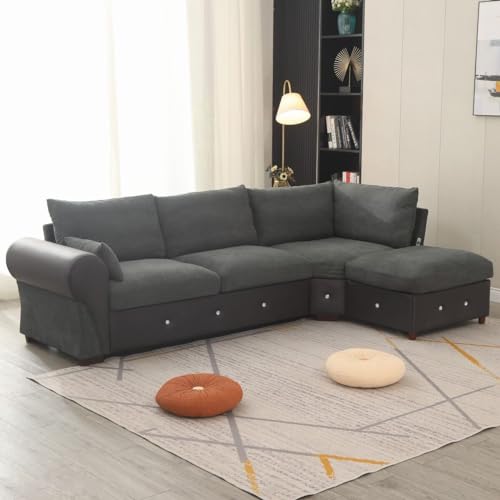
The sofa has a casual vibe and textured fabric that could easily conceal dirt and stains. However, the cushions are filled with feathers and foam that may trigger allergies in some people.
Comfort
A leather corner sofa can be the perfect statement piece for any living room. They provide durability, elegance and a classic design that is perfect for modern and traditional decor. However, there are other factors to consider when selecting the ideal sofa for your home and lifestyle. For example, leather is more luxurious, however it can be more expensive and may need extra care when exposed to temperatures. Fabric sofas are typically cheaper, but they may not offer as numerous design and color choices.
Both types of couches are comfortable however, their comfort can differ according to the frame and upholstery material. A leather sofa is more structured and rigid, whereas a fabric couch has more of a relaxed and soft feel. In terms of comfort both sofas can be made more comfortable with additional cushions.
If you're considering purchasing a leather sofa, ensure you pick one that's upholstered in high-quality materials. This will ensure that it will last for a long time and not crack or tear over time. Choose sofas that have an anti-scratch finish to shield them from scratches and other damage.
A leather sofa is an excellent option if you have children because it can withstand spills and stains better than fabrics. It is also durable and doesn't absorb odors as easily. It also doesn't collect pet hair as easily, making it a great choice for families with pets. If you have children who love to draw and color on the couch, it's best to pick an upholstery that is stain resistant and can handle crayon and marker marks.
If you're in a smaller space, a compact leather corner sofa is an ideal option since it takes up less space than a standard one. It is also easy to fit into the corners of a room which would be difficult to use as seating space or for other furniture. Additionally you can get leather couches that come in left-hand or right-hand configurations to fit different configurations of rooms. In addition to being durable and attractive, these types of sofas are designed to be ergonomic and provide an excellent support for your lumbar.
Durability
A leather sofa is a fashionable choice, whether your living room is modern or classic style. It is also renowned for its toughness, with a top quality leather sofa lasting for up to 20 years. A well-maintained leather sofa will develop an attractive patina over time. If you're looking for a sofa to look newer for longer, choose a leather couch that is able to be removed from its covers or that can be convertible.
Fabric sofas are more flexible when it comes to style, color and design. There are many options available for woven, solid, and printed fabrics. You can easily find something to match your current decor. Choose a fabric that's easy to clean if you have children or pets. You want a fabric with a tight weave that will not fray or wrinkle.
You can also find a wide selection of low-cost fabric corner sofas which are upholstered with top-quality materials like microfiber and polyester. Most of these are machine-washable. try this out can also find products that will not fade in the sun.
The frame you select can also affect the longevity of your couch. Choose frames made of kiln-dried hardwoods, which are more durable than frames constructed from plywood or OSB. The type of wood can also affect the weight of a sofa, so be sure to check the weight before purchasing.
While there isn't a definitive winner in the matter of the most suitable material for a sofa Each option has pros and cons. Analyze your family's lifestyle and requirements, then test out the various sofas to determine which one you prefer. Take the time to consider all the elements involved so you can get a sofa you love for years to be.
Aesthetics
The material used in a sofa is important for its aesthetic. It determines the way it appears in a living area. Leather sofas are elegant and durability, which makes them ideal for traditional or mid-century modern homes. They are difficult to maintain in humid areas. Leather may also be prone to scratching if it comes into contact with rough materials or surfaces. This type of damage can be prevented by maintaining regular conditioning and conditioning the material to keep it soft and soft.
Fabric sofas provide a greater variety of design options and are more adaptable in their ability to adapt to a variety of designs for interiors. They can also be more comfortable, with a variety of cushioning options that provide distinct initial sensations and various levels of comfort. If you are looking for buttons with a tufted pattern you should choose a fabric with a texture like velvet to give visual interest and depth.
The color you choose for your sofa should reflect your style. Light shades of beige grey, and cream are timeless neutrals that can fit in with any decor. More earthy tones such as charcoal and navy are popular in family rooms. These shades cover up dirt and stains better than lighter shades, which makes them an excellent choice for families with busy schedules.
When weighing the pros and cons, remember to take into account your budget. A quality leather corner sofa may be expensive however, the initial price may be worth it if looking for a long-term investment in a classic style that's durable and luxurious.
If you're shopping with smaller budgets, consider buying a smaller two-seater rather than a larger 3- or 4-seater sofa. This will save you money while still providing ample seating for relaxing with family and friends. If you plan on entertaining frequently, flank your sofa with a couple of compact armchairs in the same fabric or in contrasting colors to create a more balanced appearance and feel. This will help to keep your living area feeling less cluttered and crowded during frequent gatherings.
Maintenance
A quality leather sofa requires some extra care however the benefits are worthwhile. Regularly dusting with a microfiber cloth keeps the sofa tidy and keeps it looking its best. A vacuum that has brushes can be used to access seams and crevices that a cloth could leave out. It's a good idea to periodically use a specific leather cleaner and conditioner, especially if your sofa is located in direct sunlight or close to any sources of heat, since this will keep the leather from cracking over time.
Spills and other stains have to be cleaned as quickly as possible in order to limit the damage. A dry cloth should be used to blot the spill Be careful not to rub it in too excessively. If necessary it is necessary, a small amount mild soap can be applied to the affected area to further loosen dirt. Avoid using cleaning products that contain silicones, oils, or waxes since they can harm the leather's surface.
A wine stain is more challenging to remove, however a quick reaction can limit the damage. Make use of a clean cloth to wipe away the excess liquid. Then apply a solution of mild detergent and water to the affected area. A damp cloth can be used if necessary to clean any soap residue. The sofa should be allowed to dry, and then conditioned to maintain its natural appearance.
Fabric sofas are easier to maintain than leather, and can be cleaned with a handheld steam cleaner. You can spot clean them using an abrasive pad if needed. Some are available in various shades and textures that will match your decor. Fabrics do not get scratched like leather and can handle pets' claws and homework binders for kids more effectively.
It is important to follow the guidelines of the manufacturer when cleaning a sofa made of fabric. Avoid using liquid cleaners as they may stain or discolour it. A small amount of soap and lukewarm water can be used to scrub a difficult spot however, it's best to use a distilled water rather than tap water as chlorine can slowly degrade the finish of the fabric over time.